
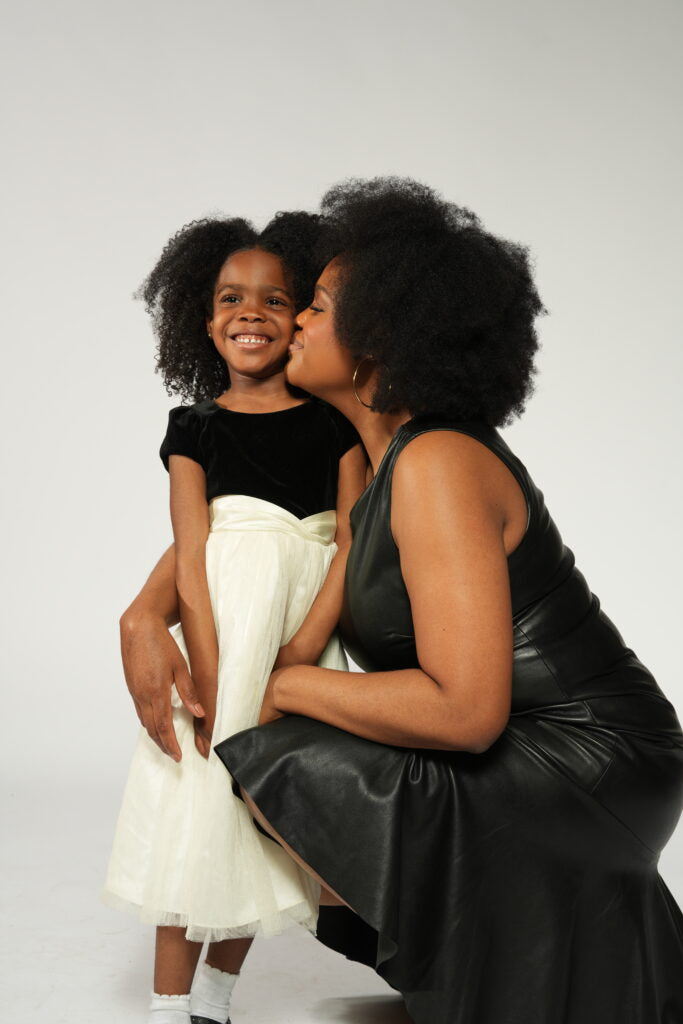
Postpartum hair loss is a common condition in women after childbirth. Here's an overview of the causes, prevention methods, and treatment options.
1. Causes of postpartum hair loss
1.1. Hormonal fluctuations:
During pregnancy, high estrogen levels prolong the hair growth phase, meaning fewer hairs fall out. After childbirth, estrogen levels drop rapidly, causing many hairs to abruptly transition to the resting (telogen) phase, where they eventually fall out.
1.2. Physical and emotional stress:
Childbirth is a stressful event for the body, which can disrupt the hair growth cycle. The emotional stress associated with the new responsibilities of motherhood can also contribute to hair loss.
1.3. Nutritional deficiencies:
A lack of essential nutrients such as iron, zinc, B vitamins, and protein can worsen hair loss after childbirth.
2. Prevention of postpartum hair loss
2.1. Maintain a balanced diet:
Consume foods rich in essential vitamins and minerals, including iron, zinc, vitamins A, C, D, E, and B vitamins, to support hair health.
Omega-3 fatty acids, found in oily fish, nuts, and seeds, can also be
beneficial.
2.2 Managing stress:
Practice relaxation techniques such as stretching and deep breathing to reduce stress. Engage in a sport you enjoy, one that relaxes and is fun for you.
Physical exercise increases blood flow throughout the body, including the scalp. Improved blood circulation means that hair follicles receive more nutrients and oxygen, which can promote healthier hair growth.
Regular exercise helps regulate hormones, particularly androgens, which play a role in hair growth. A hormonal imbalance can lead to hair loss, so physical activity helps maintain this balance.
2.2. Gentle hair care:
Use gentle hair products and avoid tight hairstyles that could pull on the hair and cause it to fall out.
Limit the use of heated tools such as hair dryers and straighteners.
3. Treatment for postpartum hair loss
While maintaining the application of the prevention practices mentioned above, you must take into account the following:
3.1. Patience and time:
Postpartum hair loss is usually temporary. Hair should start to grow back normally within 6 to 12 months after giving birth.
3.2. Dietary supplements:
Talk to your doctor about taking dietary supplements to ensure you're getting all the essential nutrients. Biotin or prenatal vitamin supplements may be recommended.
3.3. Growth-promoting treatments:
Certain treatments can be recommended to promote hair regrowth. At Ôtentik, we recommend the anti-alopecia treatment kit, which includes the Growth Serum, Strengthening Oil, manual massager, and derma roller. Discuss this with your hair care consultant. The serum and oil produced by Ôtentik are made with natural ingredients that are safe for both mother and baby.
However, consult your doctor before using any treatment with overly aggressive products, especially if you are breastfeeding.
3.4. Scalp massage:
Regular scalp massage can stimulate blood circulation and promote healthy hair growth.
3.5. Hydration
Make sure you stay well hydrated, as hydration is essential for maintaining overall health, including hair health. So drinking enough water is a must.
3.6. Consult a dermatologist:
If hair loss persists or worsens, it may be helpful to consult a dermatologist to rule out other causes of hair loss, such as thyroid disease or androgenetic alopecia.
3.7. Hairstyle choices:
Opt for hairstyles that add volume or conceal hair loss, such as shorter haircuts or curly hairstyles.
Share:
The impact of the sun on hair
Otentik's 1st Anniversary Gala: A Celebration of Black Excellence